18 June 2026
The Ultimate 3-Day Guide to Birding the Great Salt Lake and Davis County
Add Us a Preferred Source in Google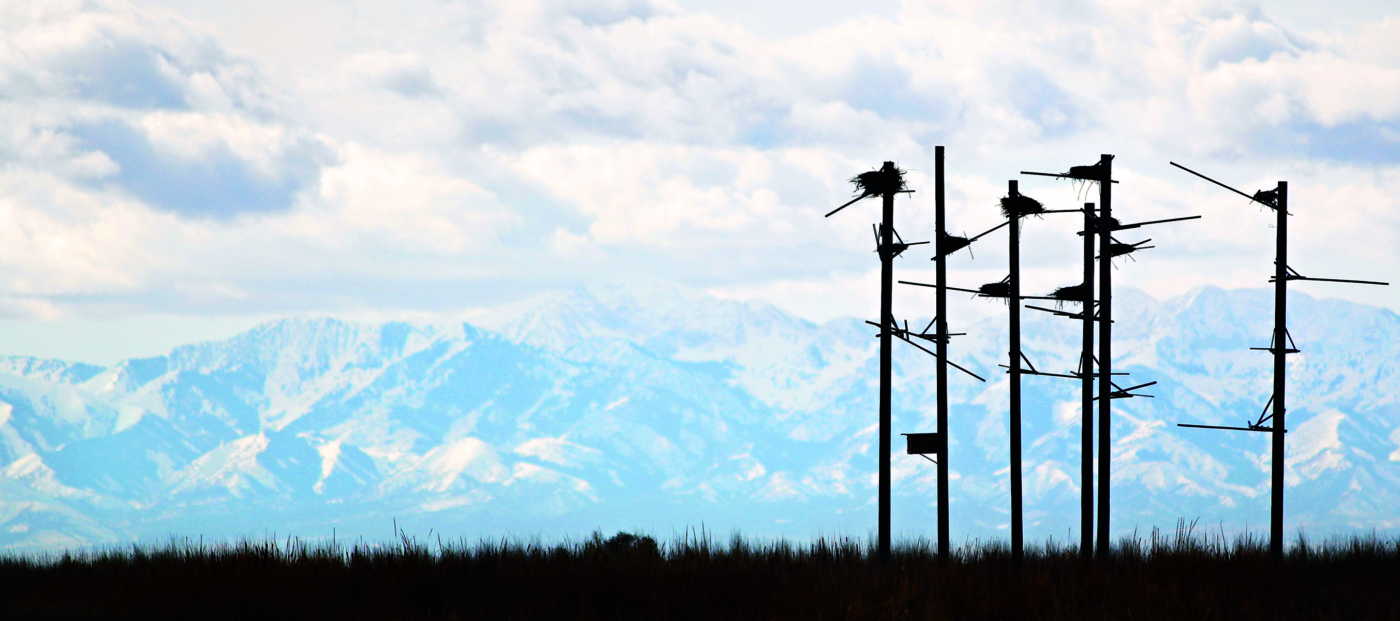
Davis County may be the smallest county in Utah by land area, but for an enthusiastic birder, it is a heavy hitter. Nestled tightly between the jagged Wasatch Range and the hyper-saline Great Salt Lake, this thin strip of land serves as a crucial hemispheric pitstop for millions of migratory shorebirds, waterfowl, and raptors.
This hyper-focused, three-day itinerary explores Davis County, taking you from the salt flats and desert oases of the lake to the lush, montane canyons of the foothills.
Day 1: The Great Salt Lake & Antelope Island
Focus: Shorebirds, Owls, and Great Salt Lake Specials.
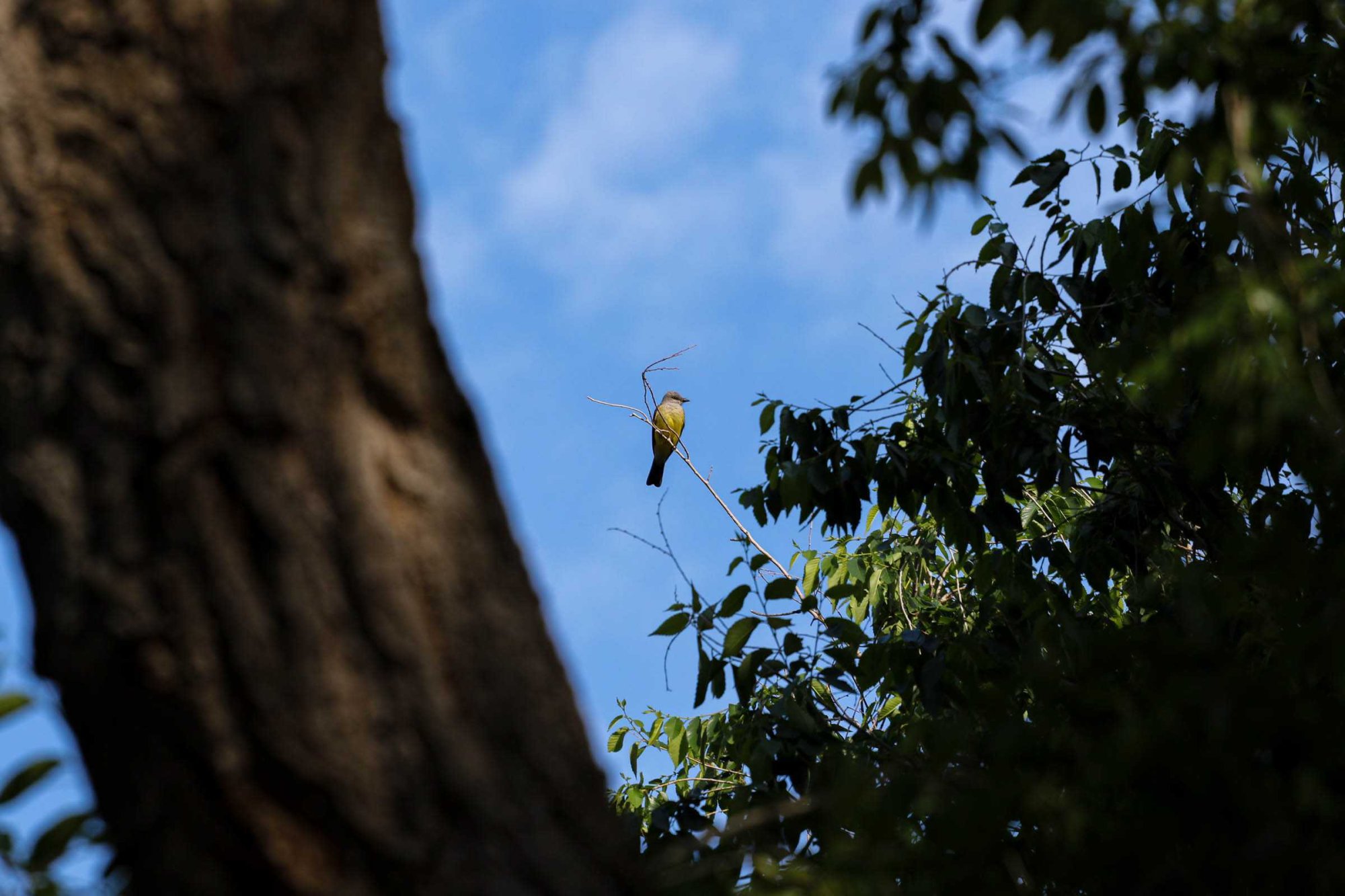
Hotspot Highlight
Pro-Tip: Pack your spotting scope, a full tank of gas, and bug spray (if traveling between spring and fall). You will be covering wide-open landscapes with zero shade.
Morning: The Antelope Island Causeway
The Plan: Arrive just after sunrise at the Antelope Island State Park entrance in Syracuse. The 7-mile causeway linking the mainland to the island is world-renowned.
Antelope Island Fees: There is a state park entrance fee ($15 per vehicle) collected at the Syracuse booth.
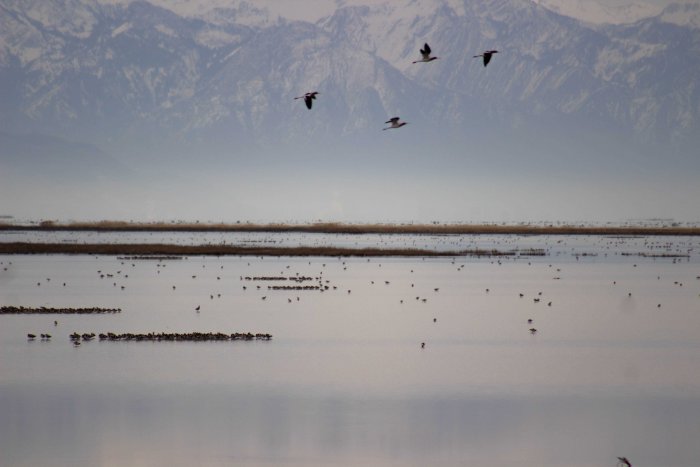
What to Look For: Pull off safely at the designated turnouts. Depending on the season, you can find massive, flocks of Wilson’s Phalaropes and Northern Shovelers numbering in the tens of thousands. Scan the mudflats and shallow waters for American Avocets, Black-necked Stilts, and Long-billed Curlews. In the winter you may find migrating birds, and even spot Bald Eagles.
Mid-Day: Visitor Center, Island Roads, & Buffalo Grill
The Plan: Head up to the Visitor Center loop and Lady Finger Point. Grab a quick bite at the Buffalo Grill on the island to maximize your birding time.
What to Look For: Scan the rocky slopes for Chukar (a non-native upland game bird that thrives here) and Sage Thrashers. Watch the fence lines along the island roads; they are favorite perches for Loggerhead Shrikes, Western Meadowlarks, and Horned Larks. Keep a sharp eye on the roadside boulders for Burrowing Owls poking their heads out of badger holes.
Afternoon: Fielding Garr Ranch
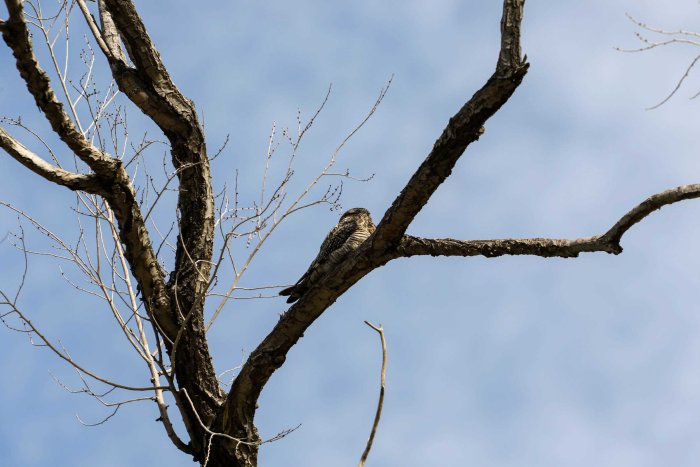
What to Look For: Walk the ranch trees quietly. It is highly reliable for roosting Great Horned Owls and Barn Owls. During spring and fall migrations, the canopy bounces with warblers, tanagers, and vireos. You can often spot Common Nighthawks as well.
The Plan: Drive 13 miles south along the island’s eastern shore to this historic ranch. This area is a true “migrant trap”—a dense oasis of mature trees and fresh water surrounded by miles of salty desert.
Evening Option: Did you know you can camp on antelope island?
Day 2: Wetlands, Marshes, & Education
Focus: Waterfowl, Wading Birds, and Marsh Specialists.
Morning: Farmington Bay WMA & Eccles Wildlife Education Center
The Plan: Head to Farmington. Start at the George S. and Dolores Doré Eccles Wildlife Education Center right when it opens to check recent sightings boards. Walk the 1.6-mile nature trail loop.
What to Look For: The boardwalks and ponds here are spectacular. Look for Yellow-headed Blackbirds violently defending their reeds,, and White-faced Ibis probing the mud. You’ll get great looks at Cinnamon Teal, Northern Shovelers, and Clark’s/Western Grebes. Don’t miss the Heron Rookery where Great Blue Herons build their nest in the spring.
Note: If visiting in winter (November–March), Farmington Bay is legendary for wintering Bald Eagles.
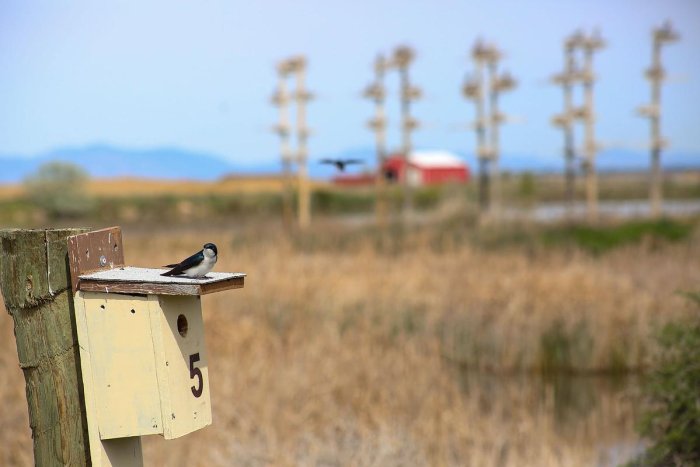
Afternoon: Great Salt Lake Shorelands Preserve
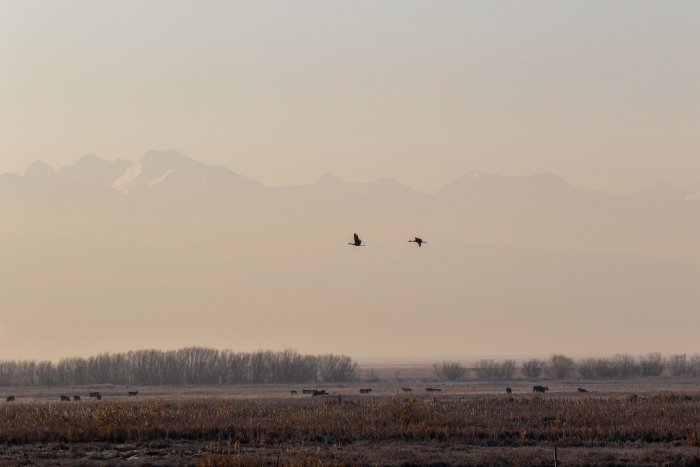
What to Look For: The elevated tower offers an incredible vantage point for spotting American White Pelicans soaring on thermals. You can often hear Sandhill Cranes in the distance or be lucky enough and have them fly over!
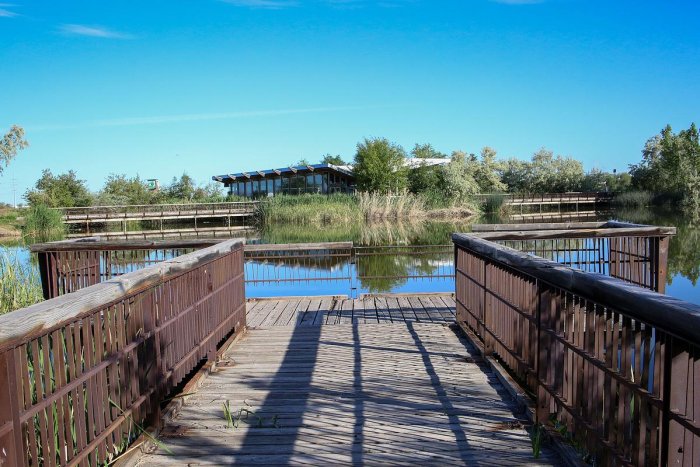
The Plan: Drive north into Layton to visit this Nature Conservancy gem. Walk the unique 1-mile wooden boardwalk that loops out over the salt marshes and includes an open-air visitor pavilion and a 30-foot viewing tower. We strongly recommend their free audio tour.
Hungry? Check out these nearby restaurants.
Eat in Davis
- Bonnie & Clydes
- Open Hours | 8:00 am – 8:00 pm
- 905 Forbush Pl, Farmington
- Twigs Bistro and Martini Bar
- Open Hours | 11:00 am – 10:00 pm (some extended hours on weekend days.)
- 155 N E Promontory, Farmington
- Hug-Hes American Kitchen
- Open Hours | Monday – Saturday | 10:30 am – 9:00 pm (open until 9:30 on Friday and Saturday)
- 2432 W 1700 S Ste. B6, Syracuse
- Bowls & Cheers
- Open Hours | Tuesday – Saturday | 11:00 am – 2:00 pm and 5:00 – 9:00 pm
- 2052 W 1700 S b6, Syracuse
While we love these local treasures, the restaurant world changes faster than a spooked flock of shorebirds. Hours shift, menus evolve, and locations occasionally migrate. To avoid an empty stomach after a long day in the field, always double-check the current hours, addresses, and holiday closures online before heading out.
Day 3: Foothill Canyons & Urban Ponds
Focus: Passerines, Hummingbirds, Raptors, and Migrants.
Morning: Mueller Park Canyon or Kayscreek Parkway
The Plan: Trade the salty wetlands for the Gambel oak and pine habitats of the Wasatch foothills. Hit the trails at Mueller Park Canyon (Bountiful) or Kayscreek Parkway (Layton) early in the morning.
What to Look For: This shifts your checklist entirely toward montane species. Listen for the buzzing song of the Black-headed Grosbeak, the mewing of Spotted Towhees, and the zip of Broad-tailed and Black-chinned Hummingbirds. You have a great chance at seeing Steller’s Jays, Lazuli Buntings, Bullock’s Orioles, and Western Tanagers. Scan the thermals over the canyon ridges for Golden Eagles and Cooper’s Hawks.
Afternoon: Bountiful Lake or Kaysville Ponds
What to Look For: These deeper freshwater bodies are excellent for picking up diving ducks like Ruddy Ducks, Redheads, and Lesser Scaup. Check the shoreline trees for Belted Kingfishers, and watch the sky for Osprey hovering and diving for fish—a behavior you won’t see over the fishless Great Salt Lake.
The Plan: Wind down your three-day sprint by hitting a couple of the county’s freshwater urban oases. Bountiful Lake (located right off the Legacy Parkway) and Kaysville Ponds are easy-access spots to pad your trip list.
Looking for food? We recommend these options!
Nearby Restaurants
- Kitchen Eighty Eight
- Open Hours | Monday – Saturday | 11:00 am – 9:00 pm
- 260 W 200 N, Kaysville
- Weller’s Bistro
- Open Hours | 11:00 am – 9:00 pm
- 197 N Main St, Layton, UT 84041
- Plates & Palates
- Open Hours | Monday – Saturday | 10:30 am – 6:00 pm
- 390 N 500 W STE 100, Bountiful
While we love these local treasures, the restaurant world changes faster than a spooked flock of shorebirds. Hours shift, menus evolve, and locations occasionally migrate. To avoid an empty stomach after a long day in the field, always double-check the current hours, addresses, and holiday closures online before heading out.
Other Hot Spots
Want to swap out a location from the main itinerary? Add these four distinct local treasures to your radar:
Jensen Nature Park (Syracuse)
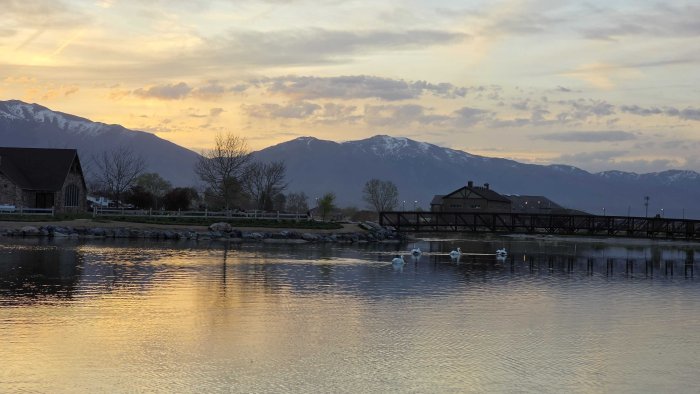
The Vibe: A manicured community park featuring interconnected freshwater ponds, walking paths, and preserved edge-wetlands.
The Birds: Because the deeper waters here don’t freeze as easily as the shallow Great Salt Lake marshes, this is an incredible winter waterfowl haven. It is also famous among Utah birders as the most reliable, year-round spot in Northern Utah to tick off the Great-tailed Grackle.
Andy Adams Reservoir (Layton)
The Vibe: Tucked away in a residential area of east Layton, this quiet, uncrowded freshwater reservoir is a massive neighborhood secret for birders.
The Birds: Because it is surrounded by mature trees, brush, and open water, it acts as a magnet for diving ducks, gulls, and terns. Look for Canvasbacks, Ring-necked Ducks, and Common Mergansers. In the spring and summer, scan the skies for Caspian Terns plunging into the water.
Farmington Pond (Farmington)
The Vibe: Tucked right into the shady mouth of Farmington Canyon, this deep, tree-lined freshwater pond offers a stark, beautiful contrast to the wide-open salt flats.
The Birds: This is a premier spot for picking up canyon-transition and montane riparian species. Scan the rushing waters feeding into the pond for American Dippers bobbing rhythmically on the rocks. The heavy oak and willow canopy surrounding the water is excellent for Downy Woodpeckers, Bullock’s Orioles, and migrating songbirds looking for shelter.
Steed Pond (Clearfield)
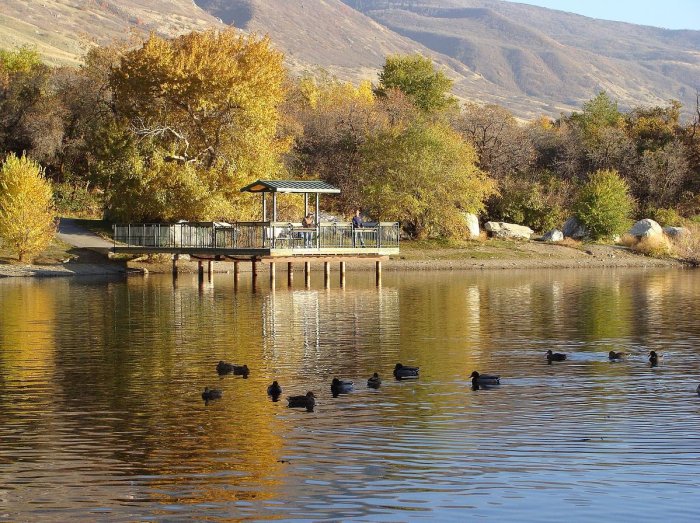
The Vibe: A peaceful, 2.5-acre community fishing pond nestled right against Steed Park, surrounded by brushy trails, benches, and shaded vegetation.
The Birds: This is an exceptional little pocket habitat. The brush and mature trees ringing the water are incredibly reliable for Downy Woodpeckers, Song Sparrows, and American Goldfinches. In the cooler months, it serves as a resting spot for migrating waterfowl.
Where to Stay
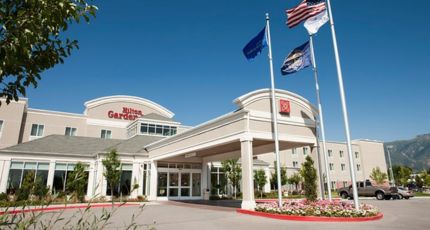
Because Davis County is compact and connected perfectly by Interstate 15 and Legacy Parkway, you can easily pick one central hotel and never drive more than 15 to 20 minutes to reach any birding hotspot on this list.